In a world where every choice we make impacts our health, our environment, and the future of our planet, the question arises: what exactly is organically grown cotton, and why should it matter to you? Understanding the importance of organic cotton is not just about fashion—it’s about making conscious, informed decisions that shape a better world.
Organically Grown Cotton Defined
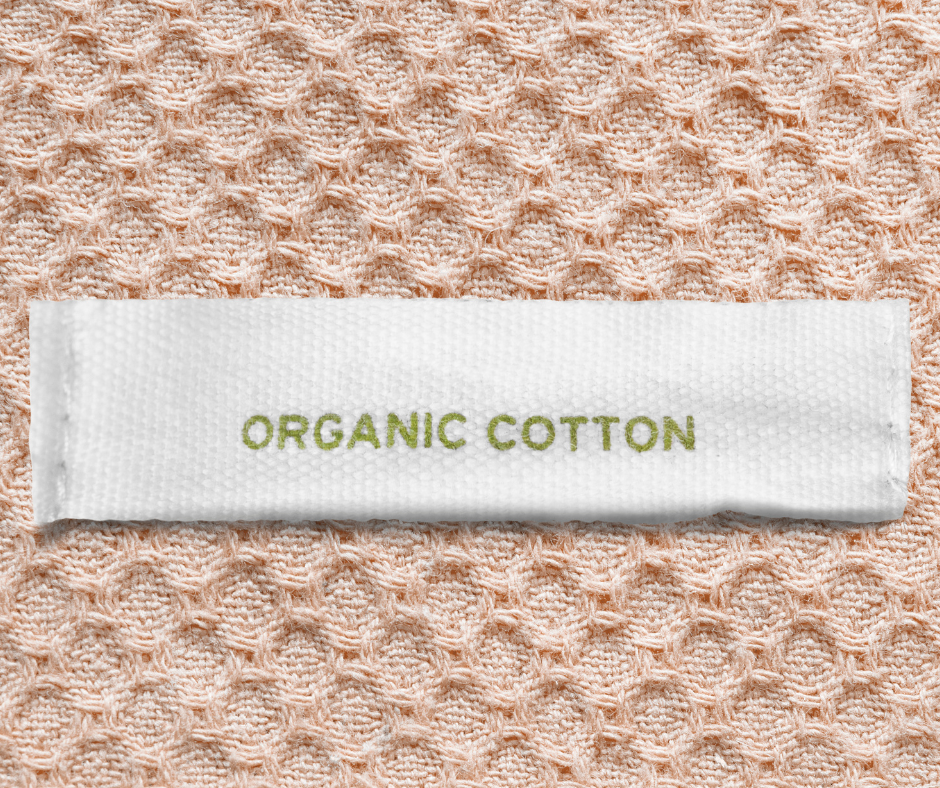
Organically grown cotton is cultivated without the use of synthetic chemicals, pesticides, or genetically modified organisms (GMOs). Unlike conventional cotton, which relies heavily on chemical fertilizers and harmful pesticides that degrade the soil and harm ecosystems, organic cotton thrives naturally. Farmers use sustainable techniques like crop rotation, composting, and natural pest control to nurture the land.
This approach ensures that the cotton is clean, safe, and environmentally responsible. It is not just about producing fabric—it’s about creating a system where healthier soil, cleaner water, and safer working conditions coexist with thriving communities.
The Environmental Impact of Organic Cotton
Conventional cotton farming is one of the most chemically intensive agricultural practices worldwide. It consumes huge amounts of water, depletes soil nutrients, and introduces toxic chemicals into the ecosystem. By contrast, organic cotton farming preserves biodiversity, reduces water usage, and eliminates harmful toxins.
Switching to organic cotton isn’t just a trend—it’s a necessity. Every purchase of organic cotton contributes directly to a cleaner planet, safeguarding ecosystems, and protecting endangered species. Choosing organic means choosing life over pollution, sustainability over short-term profit, and responsibility over negligence.
Health and Safety Benefits
Organically grown cotton is naturally free from chemicals, making it gentle on the skin and safe for babies, children, and those with sensitive skin. Wearing organic cotton is not only a fashion statement—it’s a health statement. Every fiber touches your skin, your most intimate barrier, and organic cotton ensures no chemical residues seep into your body.
The Social and Ethical Responsibility
Organic cotton also represents ethical farming practices. Many conventional cotton farms exploit laborers, often exposing workers to hazardous chemicals without protection. Organic cotton initiatives promote fair wages, safer working environments, and empowerment for farmers, especially in developing countries. Every time you buy an organic cotton product, you are supporting fair trade, ethical labor practices, and sustainable livelihoods.
Why You Should Make the Switch Now
The shift toward organically grown cotton isn’t just a personal choice—it’s a societal movement. With climate change accelerating, water scarcity rising, and chemical pollution threatening our health, waiting is no longer an option. By choosing organic cotton today, you are taking a stand for a sustainable future.
From luxurious fashion garments to everyday essentials, organic cotton provides comfort, safety, and style without compromising the planet. Each purchase is an investment in better environmental practices, improved human health, and ethical responsibility.
Conclusion: The Power is in Your Hands
The question is no longer “why choose organic cotton?”—it is “how can you afford not to?” Every piece of organic cotton clothing tells a story of sustainability, health, and ethical responsibility. It’s about taking control, making a difference, and leaving a legacy for future generations.
Choose wisely. Choose organic. Because your choices today define the world of tomorrow