sustainability is no longer a trend, it is a responsibility, yet when people see the price tags of ethical brands, their first reaction is often shock, hesitation, or frustration. many ask, why are sustainable brands so expensive, why should i pay more when fast fashion, mass-produced products, and cheap alternatives exist everywhere. this question is fair, but the answer runs much deeper than money, it touches on dignity, environment, workers’ rights, future generations, and the kind of world we are choosing to build.
the real meaning of price
when you buy from a sustainable brand, you are not just paying for a product, you are paying for ethics, transparency, and impact. conventional brands often cut corners by using cheap labor, toxic materials, and exploitative supply chains. sustainable brands, on the other hand, invest in fair wages, safe working conditions, biodegradable materials, and responsible manufacturing. this care naturally increases production costs, but it also preserves human dignity and the planet.
what feels expensive today is actually the true cost of making things right. cheap products are not truly cheap, their hidden cost is paid by workers, ecosystems, and future generations. polluted rivers, overflowing landfills, unsafe factories, and underpaid workers are the real bill we have been ignoring for decades.
quality over quantity
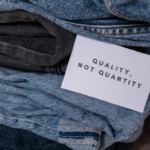
sustainable brands focus on durability instead of disposability. fast fashion encourages constant buying, wearing once, and throwing away. sustainable fashion encourages buying less but buying better. a well-made ethical product lasts longer, performs better, and carries meaning. in the long run, this saves money, reduces waste, and creates emotional value.
when you invest in sustainability, you are investing in craftsmanship, longevity, and purpose. you are choosing value instead of volume.
why urgency matters now
the planet is reaching a breaking point. climate change, deforestation, plastic pollution, and resource depletion are accelerating. every purchase we make is a vote for the kind of world we want. if we continue supporting exploitative industries, we contribute to environmental collapse. if we shift toward sustainable brands, we support regeneration and balance.
this is not a distant problem, it is happening now. glaciers are melting, forests are burning, oceans are filling with plastic. the urgency to change our consumption habits has never been greater.
how you can actually afford sustainable brands
you do not need to be wealthy to live sustainably, you need to be mindful. here is how you can make it affordable.
buy less but buy better. stop impulse shopping. invest in fewer, high-quality items that last years instead of months.
look for local brands. local sustainable brands often reduce shipping costs and environmental impact while keeping prices reasonable.
wait for ethical sales. many responsible brands offer seasonal discounts, bundles, or secondhand options.
repair instead of replace. mending clothes, fixing items, and upcycling saves money and reduces waste.
support slow fashion and circular economy. thrift stores, resale platforms, and rental fashion make sustainability more accessible.
start small but stay consistent. you do not have to transform everything overnight. begin with one ethical purchase at a time.
the emotional shift we need
sustainability is not just a financial decision, it is an emotional and moral awakening. it asks us to care more, think deeper, and act with intention. when you choose ethical brands, you align your values with your actions. you become part of the solution rather than the problem.
imagine a world where workers are treated with respect, rivers run clean, forests thrive, and products are made with love instead of greed. that world starts with the choices you make today.
a call to action
do not wait until sustainability becomes a luxury only for the rich. make it your lifestyle now. educate yourself, support ethical businesses, reduce waste, and inspire others. your one purchase can influence brands, shape markets, and protect the planet.
the question is not whether sustainable brands are expensive, the real question is whether we can afford not to choose them.
meta description