
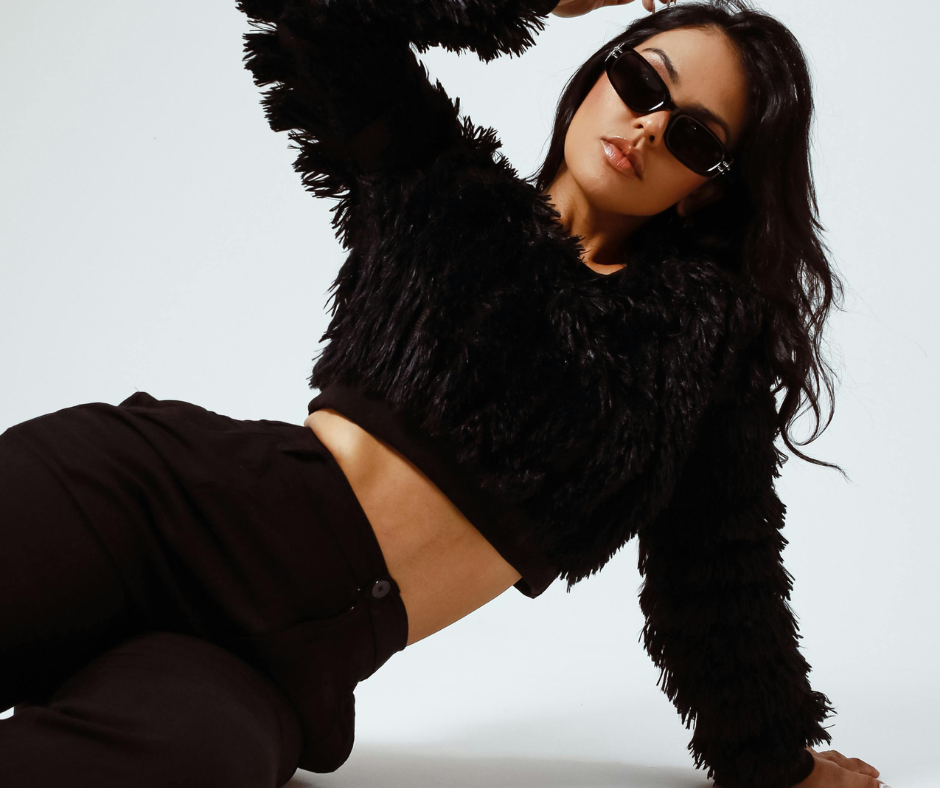
The debate over whether black clothes attract more heat isn’t just about fashion—it’s about comfort, science, and even survival in certain climates. For years, people have believed that wearing black under the sun is a mistake because it “absorbs” more heat. But is it really that simple? The truth is far more fascinating—and it challenges what many of us have taken for granted.
The Science Behind Heat Absorption
Black clothing absorbs all wavelengths of light and converts them into heat. That means when sunlight hits your black shirt, more energy is absorbed and transformed into warmth compared to white or lighter-colored fabrics, which reflect most wavelengths.
However, the story doesn’t end there. Heat absorption doesn’t always translate to feeling hotter. It depends on how well your body and clothing allow heat to escape. In other words, black clothes do absorb more heat, but that doesn’t automatically make them the worst choice in all situations.
The Desert Paradox: Why Some Cultures Wear Black in Hot Climates
If black absorbs heat, then why do Bedouins—people living in the scorching deserts—often wear black robes? Studies have shown that while black clothing absorbs more heat, it also helps regulate airflow. The loose design of desert robes allows hot air to rise and cool air to circulate beneath, creating a natural cooling effect.
So, it’s not just what color you wear—it’s how you wear it, what material it’s made of, and how air circulates around your body.
Fabric Matters More Than Color
Here’s where many people get it wrong. A lightweight, breathable black cotton shirt might keep you cooler than a heavy, tight-fitting white polyester one. Fabrics that trap sweat and block ventilation can make you feel hotter regardless of color. Natural fibers like linen, bamboo, and cotton allow air to flow and moisture to evaporate, helping your body regulate temperature more efficiently.
When Black Becomes the Smart Choice
In cooler environments or during evening activities, black can actually be beneficial. It absorbs heat from surroundings, keeping you warmer when temperatures drop. Additionally, black clothing offers UV protection and conceals stains, making it both practical and stylish.
Athletes and outdoor enthusiasts often choose black activewear for its sleek look and versatility, especially when paired with moisture-wicking technology that prevents overheating.
Think Before You Dress: The Balance Between Comfort and Style
Choosing what to wear isn’t just about fashion—it’s about how you want to feel and function throughout your day. Black clothes do attract heat, but whether that’s good or bad depends on your environment, activity level, and the type of fabric you wear.
Next time you reach for your wardrobe, think strategically. If you’re heading out on a humid afternoon, go for light, airy fabrics in neutral tones. But if you’re dressing for evening comfort or a breezy day, your favorite black outfit might be the smarter choice.
Take Action—Dress With Intention
Don’t just wear what looks good—wear what feels right for the occasion. Understanding the science behind heat and color can help you make more informed choices. Whether you’re hiking, attending an outdoor event, or simply planning your day, remember: comfort and awareness are the true signs of smart dressing.