In a world that preaches sustainability and conscious consumerism, the myth of recycling clothes has become one of the most misleading comfort zones we live in. Every time we toss a shirt into a donation bin or drop a bag of clothes labeled “for recycling,” we walk away with a lighter conscience—believing we’ve done our part for the planet. But have we really?
It’s time to face the uncomfortable truth. Recycling clothes is not as green, clean, or sustainable as we think.
The Harsh Reality Behind Textile Recycling
When people imagine clothing recycling, they think of an efficient system that takes old garments, breaks them down, and spins them into new fibers ready for another life. The reality is far more complicated. Over 85% of discarded textiles end up in landfills or incinerated, not recycled.
Even those labeled as “recycled” often end up being shipped to developing countries, where they overwhelm local markets, damage small-scale textile industries, and contribute to massive waste piles in regions that lack proper disposal systems. These mountains of “recycled” fashion become environmental nightmares rather than solutions.
The Illusion of Donation and the Global Burden
When we donate clothes, most of us believe they go directly to someone in need. The truth? Only a small fraction of donated garments ever reach thrift stores or charitable organizations. The rest are sorted, baled, and sold by the ton to global traders who export them—often to Africa or Asia—where they are either resold, burned, or dumped.
This creates a double injustice: the illusion of generosity for the donor and the burden of waste for the receiver. Countries like Ghana, Kenya, and Malaysia are now battling massive textile waste imports they never asked for.
Why Recycling Clothes Isn’t Easy
Unlike glass, plastic, or metal, textiles are complex materials made of blends—cotton mixed with polyester, spandex, or nylon. These mixed fabrics are nearly impossible to recycle efficiently because each fiber type requires a different recycling process.
Even when recycling is possible, the quality of the recovered fibers deteriorates with each cycle. What this means is that most “recycled” clothes aren’t turned into new clothes—they’re turned into low-grade materials like insulation or rags, ending their lifecycle rather than renewing it.
Fast Fashion’s False Promise
Fast fashion brands are now using “recycling” as a marketing shield. They encourage customers to bring back old clothes in exchange for discounts—creating a cycle of overconsumption disguised as sustainability.
This is not a solution—it’s a strategy to make consumers buy more while brands continue producing billions of new garments every year. The system thrives on guilt, not genuine sustainability.
The Real Way Forward: Responsibility Over Recycling
If we want real change, we must shift from recycling to responsibility.
- Buy Less, Choose Better. Stop treating clothes as disposable. Invest in quality pieces that last.
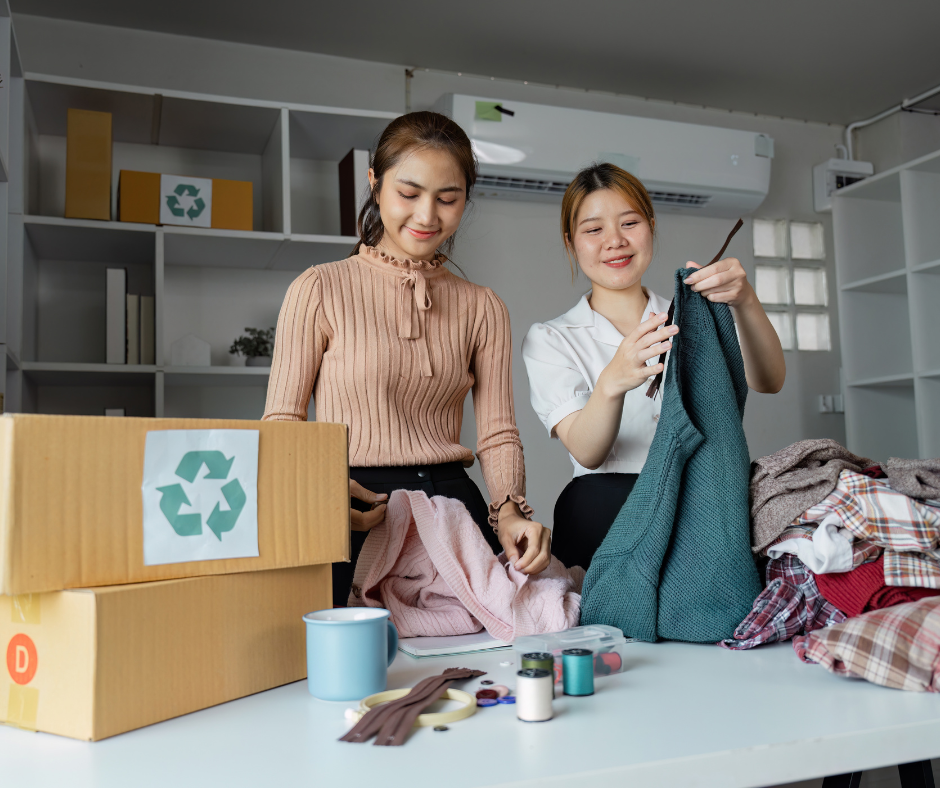
- Repair and Reuse. Learn to mend, swap, and upcycle instead of discarding.
- Support Ethical Brands. Choose brands that prioritize fair wages, sustainable materials, and circular business models.
- Demand Transparency. Ask questions. Where do “recycled” clothes really go? What’s the brand doing beyond marketing buzzwords?
The true act of sustainability begins when you stop buying into the myth and start questioning your consumption habits.
A Call to Action: Your Choices Matter
Every piece of clothing you own tells a story—about the people who made it, the resources it consumed, and the planet it impacts. Recycling alone won’t fix the system. Rethinking our relationship with fashion will.
This is not about guilt—it’s about accountability, awareness, and action. If you truly care about the Earth, the next time you shop, pause. Ask yourself—do I really need this, or am I just feeding the cycle I claim to fight?
Because the real revolution in fashion starts not in recycling bins—but in our minds and choices.