In today’s fast-paced world of fashion, clothes are no longer just a necessity—they are an expression of identity, culture, and lifestyle. However, behind the glamour of fashion lies a hidden truth: the clothing industry is one of the most polluting industries globally. From water wastage and chemical pollution to textile waste filling landfills, the environmental toll of fashion is staggering. This is where recycling clothes emerges as more than a trend—it becomes a global responsibility with profound environmental, social, and economic implications.
Why Recycling Clothes Matters
Recycling clothes is not just about decluttering your wardrobe; it is a strategic action to reduce environmental damage. Every garment recycled saves energy, water, and reduces greenhouse gas emissions. Consider this: producing one kilogram of new cotton fabric requires approximately 10,000 liters of water. By recycling or repurposing textiles, we significantly reduce this unsustainable water usage. Additionally, recycling prevents mountains of clothing waste from ending up in landfills, which not only pollutes soil and water but also contributes to methane emissions, a powerful greenhouse gas.
The Social and Economic Power of Clothing Recycling
Beyond environmental benefits, recycling clothes can transform communities. Donated or repurposed clothes provide essential support to vulnerable populations. Many local organizations, nonprofits, and even small businesses thrive on the collection, processing, and resale of recycled garments. This creates jobs, stimulates the economy, and fosters a culture of conscious consumption. By participating in clothing recycling, individuals contribute directly to social welfare and community empowerment.
Practical Ways to Recycle Your Clothes
- Donation: Gently used clothes can be given to charities, shelters, or local nonprofits.
- Upcycling: Transform old garments into new items—bags, quilts, or home décor.
- Clothing Swaps: Organize or participate in swap events to give clothes a second life.
- Recycling Programs: Many brands and retailers now offer textile recycling initiatives.
The Urgency to Act
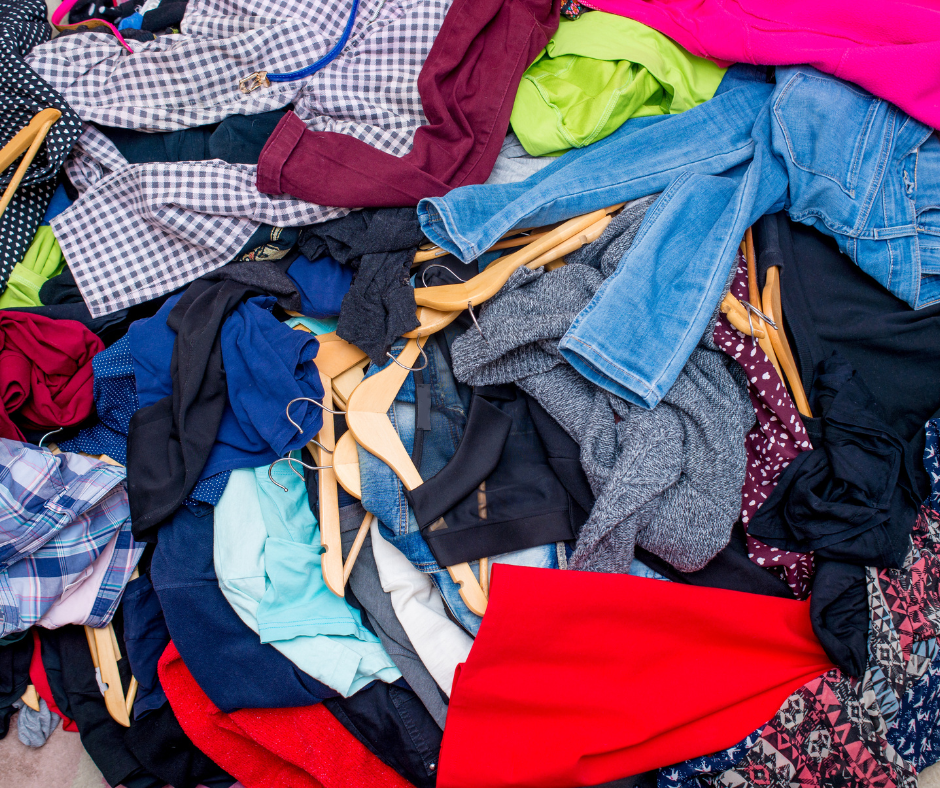
Fast fashion is accelerating at an unprecedented pace. Millions of tons of clothing are discarded each year, and the environmental consequences are immediate and severe. By making small yet deliberate choices—like recycling clothes, buying sustainably, or extending the life of garments—we can collectively reshape the future of fashion. The question is no longer whether recycling clothes matters; it is whether we are willing to act before it is too late.
Conclusion
Recycling clothes is more than an eco-friendly choice—it is a powerful statement of responsibility, empathy, and foresight. Every shirt donated, every fabric repurposed, and every recycling decision creates a ripple effect, protecting the planet, supporting communities, and redefining the way we consume fashion. The impact is real, measurable, and urgent. Act now, not tomorrow, because the planet cannot wait.